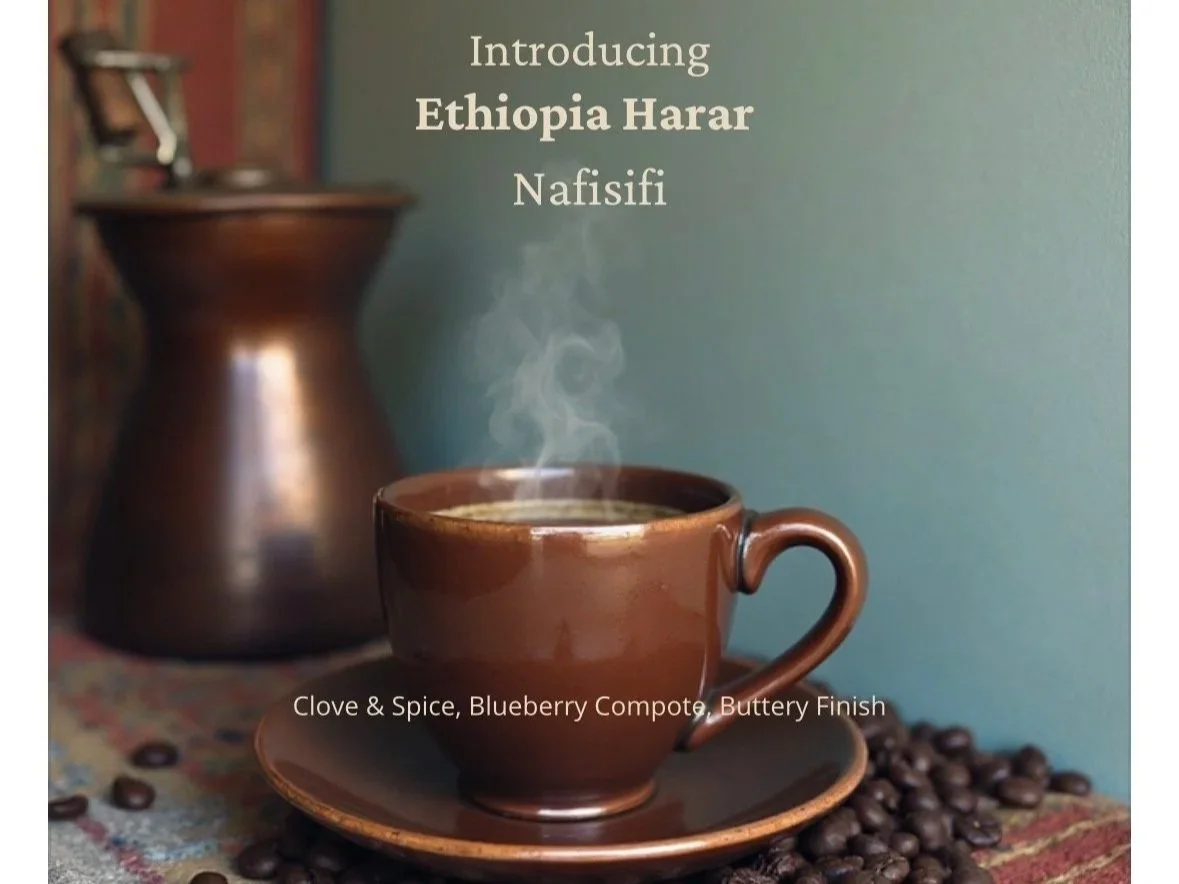
Introducing Ethiopia Harar Nafisifi!

Introducing Ethiopia Harar Nafisifi!
This warming winter brew is now available at our flagship caffè and in our online shop.
Ethiopia is universally recognized as the birthplace of coffee, producing some of the most complex and captivating cups in the world. Coffee was first cultivated here in the 1500s, and remarkably, many of the traditional growing methods have remained largely unchanged for nearly 500 years.
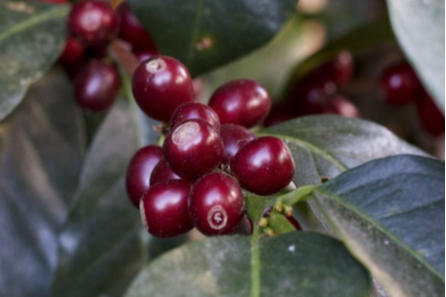
Today, the vast majority of Ethiopian coffee is grown by small-holder farmers, each producing an average of just 300kg per year. These farmers work within one of three traditional systems: forest-grown coffee that grows wild beneath dense canopy, semi-forest coffee where farmers lightly manage the land for harvest, and garden coffee planted at low density and nourished with organic materials. Together, these methods preserve biodiversity while contributing to the distinctive character Ethiopian coffee is known for.
Processing & Quality
Ethiopian coffee is processed using both washed and natural (dry) methods, depending on regional access to water. While washed coffees dominate the southern regions of Sidama and Gedeo—famous for Sidamo and Yirgacheffe—natural processing is traditional in the eastern region of Harrar (also spelled Harar). These naturally processed coffees are known for their depth, fruit intensity, and wine-like character.
A Legendary Origin: Harar
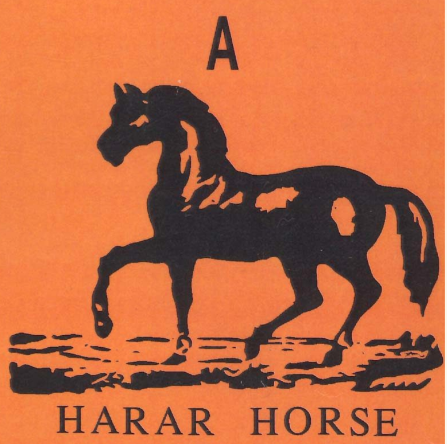
Ethiopia Harar Natural Nafisifi comes from family-owned farms in the historic Harari region, long celebrated for the legendary Harar Horse coffee. This iconic name has been absent from the Royal cupping table for decades—until now.
This coffee was sourced by Nafisifi, led by co-founder Rashid Abdullahi, a descendant of the Harar Horse legacy. Rashid is the nephew of Mohamed Abdullahi Ogsadey, the Somali King who helped make the Horse brand famous. For nearly twenty years, Rashid has worked to restore Harrar coffee to its former glory. For this lot, he personally selected the cherries and implemented a raised-bed drying project to ensure meticulous and consistent drying.
A New Chapter for Ethiopian Coffee
Recent changes to Ethiopian coffee regulations now allow for direct export through vertical integration, bypassing the Ethiopia Commodity Exchange while still maintaining rigorous quality control through the Coffee Liquoring Unit. This is the first year since the ECX’s creation that a coffee like this can be exported directly—making this release especially meaningful.
Tasting Notes
In the cup, this coffee is rich, expressive, and deeply comforting. Expect blueberry compote and ripe fruit sweetness layered with clove and warming spices, finishing with a buttery, lingering mouthfeel that brings everything together in perfect balance.
The stars have aligned for this heavenly Harar. Somewhere, the spirit of the Somali King is smiling.
Come visit us at the caffè and taste it on drip or take some beans home with you! Squisito!